
For Activewear Brand Founders, Product Developers & Fitness Influencers Launching Their Own Label
Whether you’re building the next activewear brand, expanding an existing product line, or launching a fitness influencer collection, finding the right manufacturing partner can determine your success.
This guide explains where to find activewear manufacturers, how to evaluate them, common sourcing mistakes, and the exact process used by successful activewear brands.
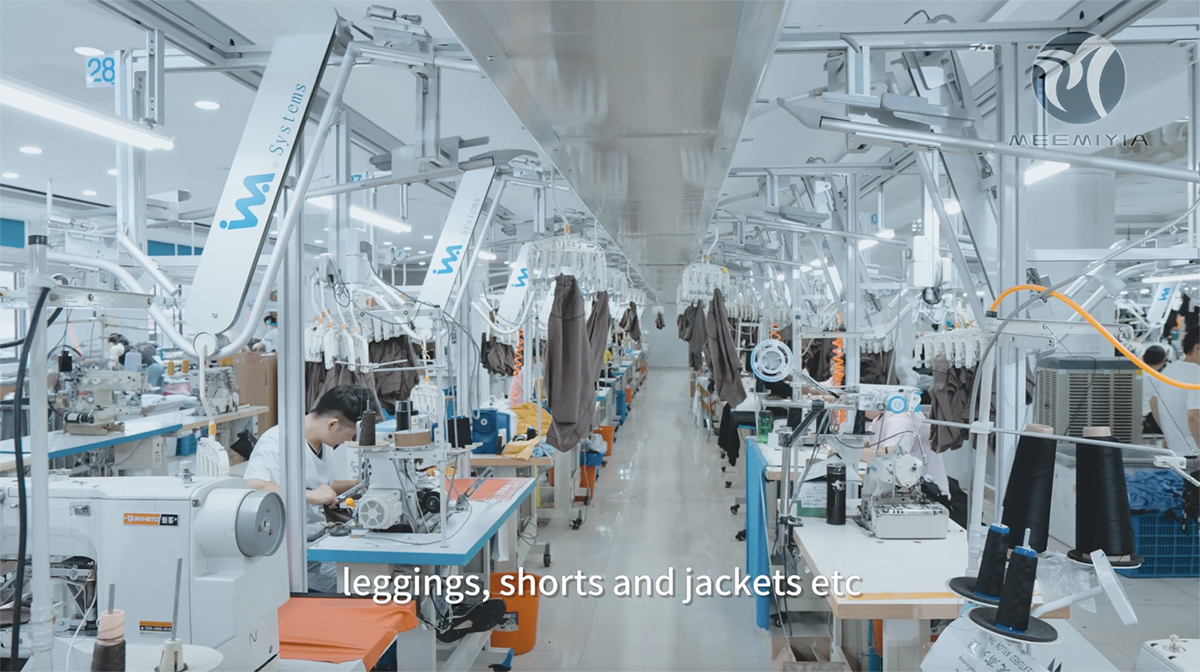
Table of Contents
What Buying Directly from Manufacturers Really Means
Many new founders assume buying directly from manufacturers simply means finding a factory and placing an order. In reality, activewear manufacturing follows several different business models.
OEM Manufacturing
OEM (Original Equipment Manufacturing) is the most common approach for growing activewear brands.
- You provide designs and branding
- The factory develops samples
- The factory handles production
- You own the brand
ODM Manufacturing
ODM factories offer pre-developed products that can be customized with your logo, colors, and packaging.
This model is ideal for brands seeking faster market entry with lower development costs.
Vertically Integrated Manufacturers
Some manufacturers control knitting, dyeing, fabric sourcing, garment production, and finishing in-house.
These suppliers typically provide better consistency, stronger quality control, and greater fabric innovation.
Where to Find Activewear Manufacturers
1. Specialized OEM & ODM Factories
The majority of successful activewear brands source directly from manufacturers located in China, Vietnam, Turkey, and Portugal.
These factories often specialize in:
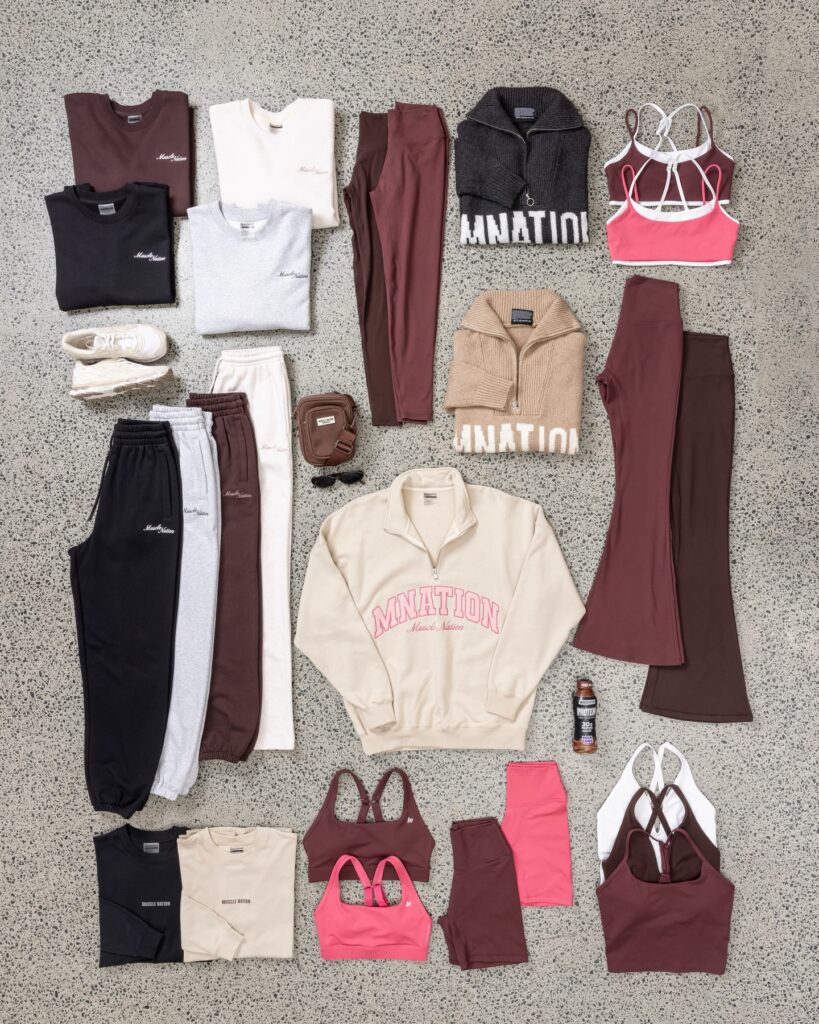
- Leggings
- Sports bras
- Seamless collections
- Running apparel
- Training wear
- Yoga apparel
2. B2B Platforms
Popular sourcing platforms include:
- Alibaba
- Made-in-China
- Global Sources
However, many listings are trading companies rather than actual factories. Verification is essential.
3. Trade Shows
Industry trade shows remain one of the best ways to meet suppliers face-to-face.
- Canton Fair
- Intertextile Shanghai
- ISPO Munich
4. Product Development Agencies
For first-time founders without technical knowledge, sourcing agencies and development partners can help bridge the gap between concept and production.
How to Identify a Real Activewear Factory
Not all suppliers claiming to be manufacturers actually produce activewear themselves.
Fabric Development Capability
Ask suppliers:
- Do you develop fabrics in-house?
- Which fabric mills do you work with?
- Can you customize fabric blends?
Category Specialization
A real activewear factory should understand:
- Compression engineering
- Sports bra construction
- Moisture management
- Stretch recovery
- Seamless knitting technology
Sampling Process
Professional factories typically require:
- 7–15 days for first samples
- Several rounds of revisions
- Fit and wear testing
MOQ Transparency
Typical activewear MOQ ranges:
- 100–300 pcs per style for startups
- 300–800 pcs for seamless products
- 1000+ pcs for custom fabric programs
The Activewear Sourcing Process
Step 1: Define Your Product Strategy
- Product category
- Target customer
- Price point
- Performance requirements
Step 2: Create a Tech Pack
A basic tech pack should include:
- Design sketches
- Measurements
- Fabric references
- Logo placement
- Construction notes
Step 3: Shortlist Manufacturers
Compare suppliers based on:
- Experience
- MOQ
- Sampling speed
- Product category expertise
Step 4: Sample Development
Most successful brands spend more time perfecting samples than negotiating prices.
Step 5: Bulk Production & Quality Control
Before shipment, inspect:
- Color consistency
- Stitch quality
- Stretch recovery
- Squat-proof performance
- Sizing consistency
Common Sourcing Mistakes
Choosing Suppliers Based Only on Price
The cheapest supplier often becomes the most expensive mistake.
Ignoring Fabric Quality
In activewear, fabric quality often determines customer retention more than design.
Skipping Sample Revisions
Most first samples require adjustments. Expect multiple development rounds.
Assuming Every Factory Does Everything In-House
Many suppliers outsource knitting, dyeing, printing, or packaging.
When You Should Not Buy Directly from Manufacturers
Direct sourcing may not be ideal if:
- You have no product concept
- You lack technical apparel knowledge
- You require extremely small quantities
- You are not prepared for sample development
In these situations, ODM programs or sourcing partners may be a better starting point.
FAQ: Buying Activewear Directly from Manufacturers
1. Can I really start an activewear brand with just a manufacturer?
Yes—but only if you already have at least a basic product direction.
Most manufacturers are not brand builders, they are production executors.
You still need:
- Product concept (leggings, sets, bras, etc.)
- Fabric direction
- Basic tech pack or references
If you go in without clarity, factories will only give you “generic samples”.
2. What is the minimum order quantity (MOQ) for activewear?
Typical MOQs vary depending on complexity:
- Basic leggings / tops: 100–300 pcs per style
- Seamless sets: 300–800 pcs per style
- Highly technical compression wear: 500–1000+ pcs
Some suppliers advertise “low MOQ”, but usually:
- fabric is limited stock
- colors are restricted
- customization is minimal
3. How long does it take to develop a new activewear product?
Standard timeline:
- Sample development: 7–21 days
- Revisions: 7–14 days per round
- Bulk production: 20–45 days
👉 Total time from idea to bulk usually: 45–90 days
If a factory promises everything in under 2 weeks, quality risk is very high.
4. What is the difference between a real factory and a trading company?
A real manufacturer usually:
- Owns knitting or sewing facilities
- Has in-house pattern makers
- Can show machine lines or workshop
- Controls fabric development or sourcing chain
A trading company:
- Outsources production
- Only provides catalog + samples
- Has limited technical control
👉 For activewear (especially leggings & seamless), factory capability matters a lot.
5. Do I need a tech pack to contact manufacturers?
Not strictly—but it dramatically improves results.
Without a tech pack:
- quotes are inconsistent
- samples are inaccurate
- communication becomes slow
Minimum viable tech pack includes:
- design sketch
- basic measurements
- fabric reference
- logo placement
6. What fabrics are commonly used in activewear?
Most common performance fabrics:
- Nylon + Spandex (buttery soft leggings)
- Polyester + Spandex (training & running wear)
- Ribbed knit fabrics (lifestyle activewear)
- Seamless knitted blends (high-end gym sets)
Key performance factors:
- stretch recovery
- squat-proof density
- moisture-wicking
- anti-pilling behavior
7. Can I customize fabric or do I have to choose from existing options?
Yes, but it depends on order size.
- Small orders → stock fabrics only
- Medium orders → partial customization (weight, color, finish)
- Large orders → fully custom fabric development
Fabric development usually requires:
- minimum yarn dyeing runs
- lab dips
- testing cycles
8. How do I ensure leggings are not see-through?
This is one of the most critical quality checks.
You should confirm:
- fabric GSM (usually 220–300gsm for leggings)
- double-knit or interlock structure
- stretch recovery test
- squat test under light
👉 Always request a “squat-proof sample test” before bulk production
9. What are the biggest risks when sourcing activewear directly?
Main risks include:
- wrong fabric selection
- inconsistent sizing across batches
- poor elasticity recovery
- unclear communication with factories
- hidden outsourcing of production
Most brand failures come from skipping sampling iterations.
10. Should I work with multiple factories or just one?
For most growing brands, the best structure is:
- 1 core factory (main leggings/sets supplier)
- 1 backup factory (risk control + pricing leverage)
- optional fabric supplier network
Relying on only one factory = supply chain risk
Working with too many = quality inconsistency
Final Thoughts
The most successful activewear brands do not simply find factories—they build reliable sourcing systems.
By focusing on product development, fabric selection, supplier evaluation, and quality control, you create a repeatable foundation for long-term growth.
Whether you’re launching your first collection or scaling an established brand, choosing the right manufacturing partner remains one of the most important decisions you’ll make.
Need Help Finding the Right Activewear Manufacturer?
At Miyi Activewear, we help activewear brands, fitness influencers, and startup founders develop premium activewear collections with flexible MOQs, custom fabrics, and full OEM/ODM support.
Contact us to discuss your next activewear project.